What is Cognitive Light Therapy?
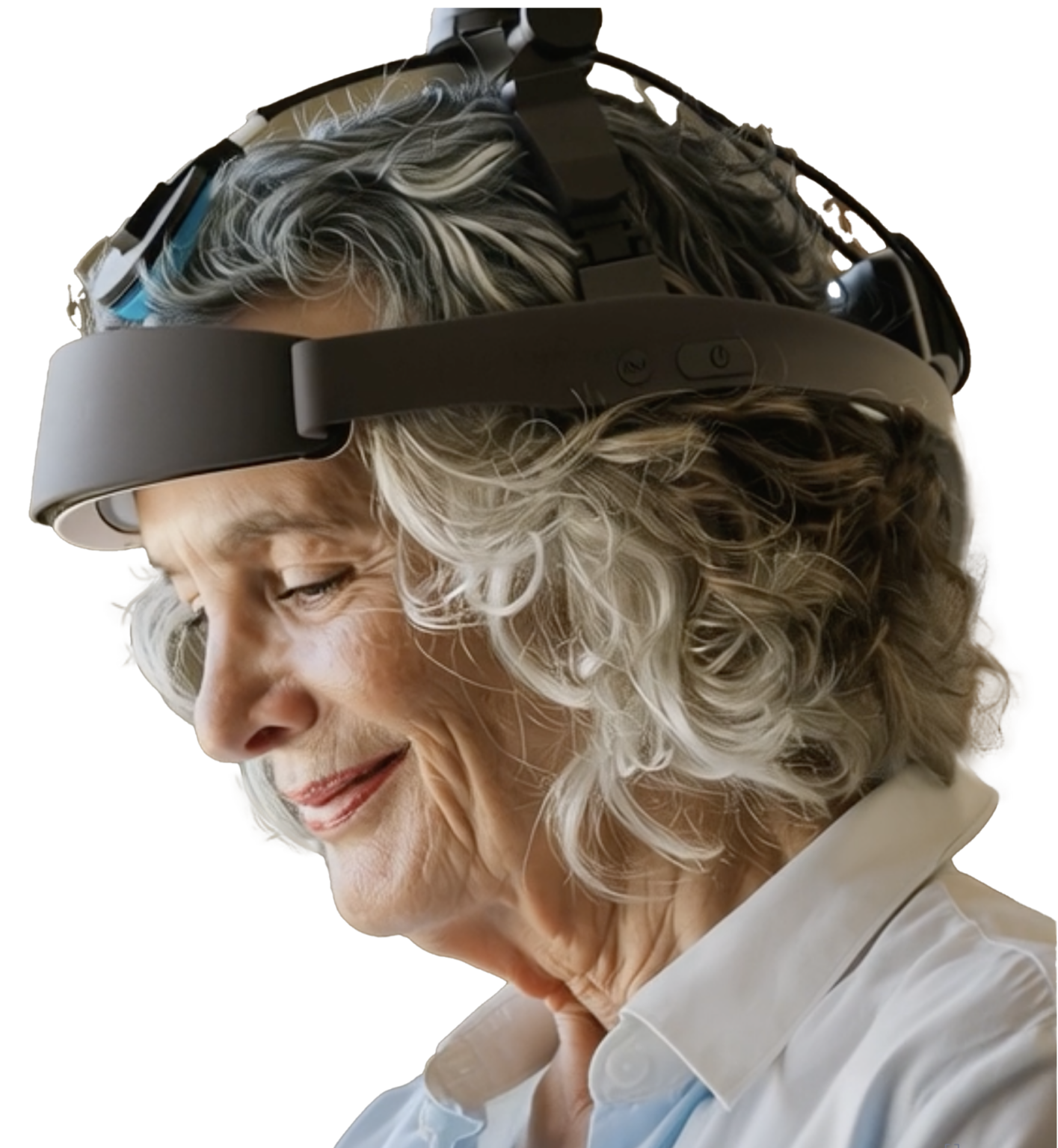
Cognitive light therapy has been shown for decades to noticeably treat a wide range of neurological disorders, and to strengthen cognitive function and mindfulness in healthy people. It is a specialized form of red-light therapy, in which very low-level light is pulsed on specific regions of the brain at specific frequencies. A session takes about 20 minutes and can be used daily, twice daily, or on alternating days. In clinical and research settings, it is known to neurologists as transcranial photobiomodulation.
Why We Need New Solutions
Today’s medical system is heavily dependent on pharmaceuticals, invasive procedures, and reactionary medicine—often waiting until people are suffering before treatment begins. Advances in medical technology are being developed faster than most physicians can keep up with. Meanwhile, the focus, clarity, and happiness of many Americans are at an all-time low.
What’s the Evidence?
A selection of studies and clinical trials are linked to across the website, and a lot of studies can be looked up yourself by searching databases like PubMed. The image above shows a before-and-after clock drawing—a common task in the Folstein test used by physicians to gauge cognitive function. This illustrates improvement in a patient with Parkinson’s disease after three weeks of therapy—half the time expected to see full results.
Who Can it Help?
Cognitive Light Therapy can benefit anyone. Clinical trials show improvements that outperform pharmaceuticals for many neurological and mental health conditions, as well as measurable benefits in healthy individuals. People of any age can use it to improve focus, mindfulness, and productivity, or to support treatment for depression, anxiety, post-traumatic stress disorder, or traumatic brain injury. It is used on newborns to treat fetal alcohol syndrome, and by older adults to improve function in conditions such as Alzheimer’s disease and Parkinson’s disease.
Is Cognitive Light Therapy Safe?
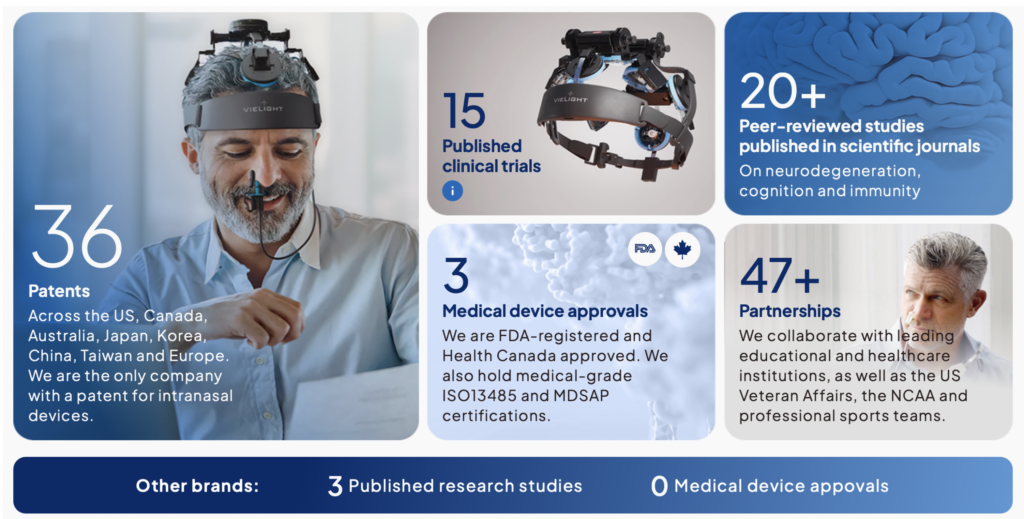
Cognitive light therapy is noninvasive, painless, and has an excellent safety profile. It doesn’t involve drugs, heat, or electrical stimulation. The light levels used are very low and are delivered using FDA-cleared devices that have been studied for decades. Side effects are rare and typically mild, with a small percentage of users reporting feeling “amped up” after using Gamma mode.
What Does It Feel Like – And What Should I Expect?
After a few weeks of consistent use and overall improvement, many people begin to notice the effects of individual sessions, often describing them as deeply relaxing. Some feel calm and meditative, others subtly energized or mentally clear. The changes are rarely dramatic overnight–they tend to build gradually over several weeks. This is not a quick fix, but a steady strengthening process. Some people notice meaningful shifts fairly quickly, while others experience quieter, cumulative improvements in focus, mood, sleep, or resilience over time. Many simply describe feeling more like themselves again.